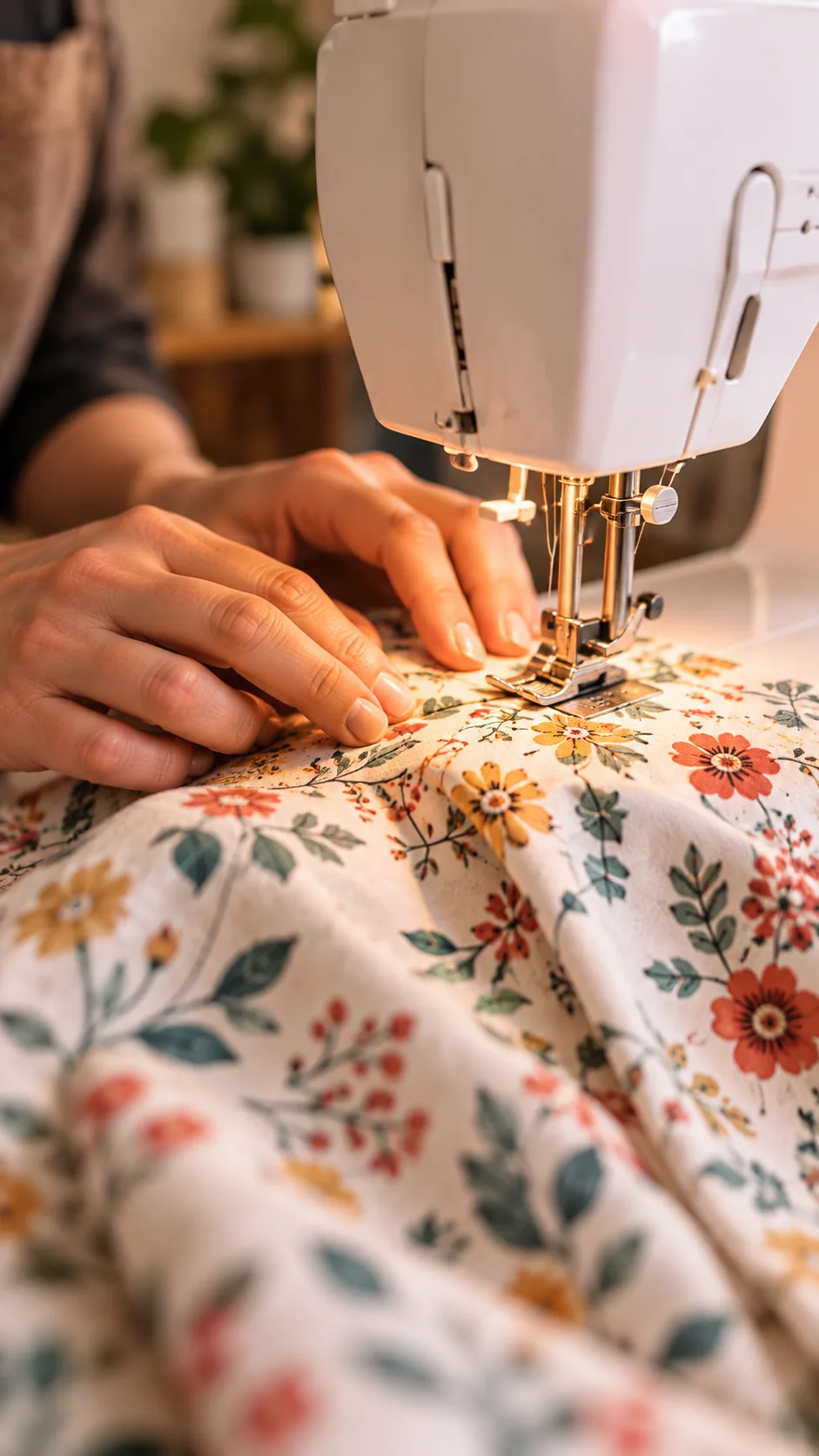
A sewing class usually moves through a cycle of demonstration, setup, stitching, correction, and pressing. Progress can sometimes feel slow because the preparation required for an accurate seam often takes longer than the actual stitching. Before you travel from Surrey to Vancouver or pick a course in Port Coquitlam or Richmond, you should find out exactly where the first session begins.
The room has several work zones
Don't expect to sit at a single desk for the whole session. Instead, expect a layout with a machine station, a cutting surface, and a pressing area. Students often move between these zones and might have to wait for shared equipment. You should ask whether every learner gets their own machine and how the instructor schedules time for cutting and ironing.
The instructor might demonstrate things centrally, at individual machines, or via printed steps. If you have concerns about visibility, hearing, or movement, it is worth discussing the room layout before you book.
Early lessons emphasize setup
An absolute-beginner session might focus on bobbins, threading, stitch selection, presser feet, and guiding the fabric. Test seams are used to help diagnose issues with tension, needles, or threading. It is normal to deal with mistakes and rethreading during class.
A garment course might start differently, perhaps with measurements, pattern selection, layout, or cutting. Ask whether you should arrive with fabric that has been washed, an uncut pattern, or just a notebook. Preparing at the wrong stage can make your material unusable.
Projects move at different speeds
In a fixed workshop, the group might follow one specific project and a set sequence. In an open class, students might work on different items and wait for individual guidance. If it is a multi-week course, the instructor may assign work to be done between sessions.
Ask which steps are completed in class, how much independent work is expected, and what happens if you fall behind. While completing the item is useful, a stronger outcome is understanding how to repeat the method yourself.
Supplies depend on the booking
Some providers supply the machines, tools, and fabric for an introductory project. Other providers expect you to bring your own machine, sewing kit, pattern, and approved fabric. You should confirm separately whether things like thread, needles, bobbins, interfacing, closures, and special presser feet are provided.
If you are bringing your own machine, test it beforehand and remember to pack the cable, pedal, and manual. You should also plan your route from parking or transit, especially if you are attending a repeated course.
Current local formats differ
Sew Me Studio in South Surrey currently lists private, semi-private, and group lessons. Their published group information asks students to bring a machine or arrange one with the studio, which highlights why equipment details matter.
Mae Design Studio (Mae Studio) in Port Coquitlam lists sewing courses, technical modules, and project-based classes. Winnie Sewing Studio in Richmond publishes adult group classes and garment workshops; their adult FAQ says machines and necessary materials are generally available, though project pages can set additional requirements.
Vancouver’s La Movida Sewing & Design Studio distinguishes introductory workshops from longer courses and open project formats.
Leave with a repeatable next step
Try to record the machine settings, needle, thread, seam allowance, and pressing method you used. Ask which skill you should practice and what the next class is. A realistic first session might only produce a sample or a partly finished project, but it should leave you better able to set up a machine, diagnose a simple problem, and understand the next construction step.
Expect the instructor to correct habits that might initially feel slow, such as checking the grain, pinning or clipping carefully, testing a seam, and pressing before moving on. These pauses are part of the construction process, not wasted class time. If you leave with unfinished work, ask exactly what can be completed at home and what should wait for supervised equipment or fitting.