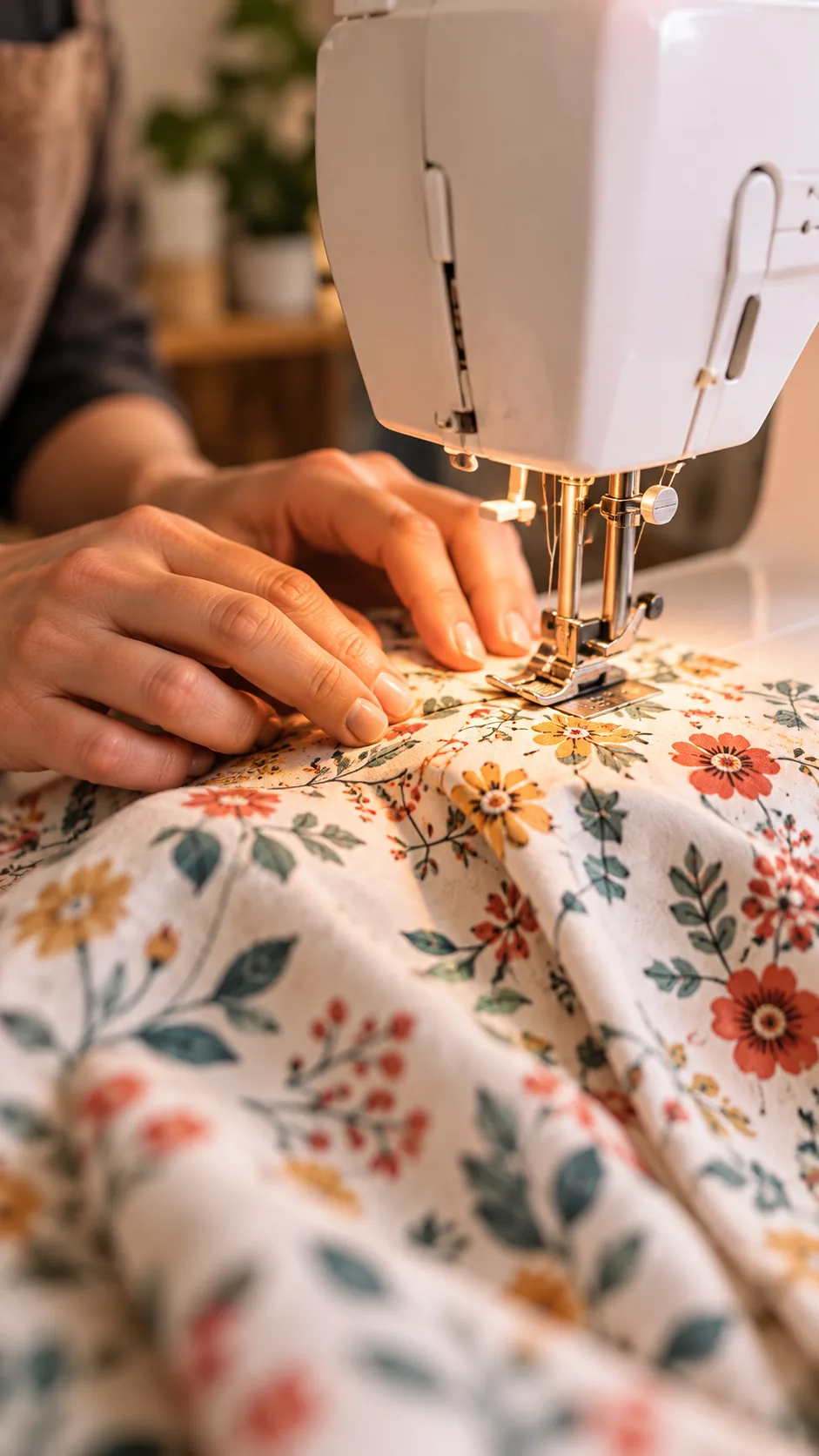
You should choose a sewing class based on what you actually want to make, then double-check the arrangements for machines and materials. A tote-bag introduction, a garment course, a quilting workshop, and an open sewing session all solve different problems. Someone who has never threaded a machine needs a different starting point than someone who can sew but struggles to get a garment to fit.
Where to begin locally
Spool of Thread in Vancouver offers a progression of projects, including an introductory machine-and-tote class, a pouch, a skirt, and quilting. Using the project itself as a guide is a good way to compare skill levels. Just be sure to read the prerequisites for a specific class instead of assuming every workshop at a beginner-friendly shop starts from zero.
La Movida Sewing & Design Studio in Vancouver provides sewing and fashion-design learning, including programs for youth. Check the age group before booking; a children's camp, a teen project, and an adult course will have different levels of supervision, equipment, and pace.
In Surrey, Sew Me Studio offers instruction in sewing, pattern drafting, and fashion design. Silk Way Stitching is located on King George Boulevard in Surrey. Always check their current address, as older references might lead you to the wrong location.
If you are outside these two cities, Mae Design Studio in Port Coquitlam and Winnie Sewing Studio in Richmond are good alternatives for project-based learning. You can browse the sewing and fibre arts directory to find a closer option before committing to a long commute.
Match the class to the skill you are missing
| Starting point | A useful next step | Confirm first |
|---|---|---|
| Never used a machine | A machine introduction with a simple project | Threading, bobbin setup and basic seams are taught |
| Can sew straight seams | A pouch, bag or simple garment | Whether zips, curves or patterns are assumed knowledge |
| Clothes do not fit well | Garment fitting or pattern drafting | You can work on the specific fitting issue you have |
| Want to make a quilt | Beginner quilting | Cutting, piecing, pressing and finishing scope |
| Need equipment and practice | Supported open studio | Whether instruction is included or only workspace |
A finished sample is helpful, but it isn't the only way to measure a course. Ask yourself what you will be able to do independently once the class ends. A beautiful garment made with heavy instructor intervention might be an enjoyable workshop, but it might not be the right choice if your goal is learning how to work alone.
Machines, patterns and fabric change the total cost
Find out if a machine is provided, if you can bring your own, and if the instructor is able to help with your specific model. An overlocker or serger is specialized equipment, so do not assume it is included in a standard introductory class.
Get a supply list before you buy fabric. The required quantity, fabric type, whether it needs pre-washing, matching thread, closures, and pattern size all impact your budget. A pattern advertised by a shop isn't always included in the class fee. Also, a fabric price listed on a website is not the same as the lesson price. You should compare the total cost of tuition plus required supplies rather than just looking at shop prices.
For quilting, ask if the course covers a complete quilt or just the pieced top. Batting, backing, quilting, and binding often require extra time, tools, or services. A small project is usually a smarter first choice if you want to practice the entire process.
Before booking a series
Check the policy for missed sessions or if you fail to finish a project within the scheduled time. Ask if unfinished work can stay at the studio, if you need to transport your own machine, and if you can buy extra supervised time. For children, confirm the age requirements, drop-off arrangements, and machine supervision. Pick a project that allows for a learning curve rather than choosing something that relies on a strict deadline for a gift or an event.