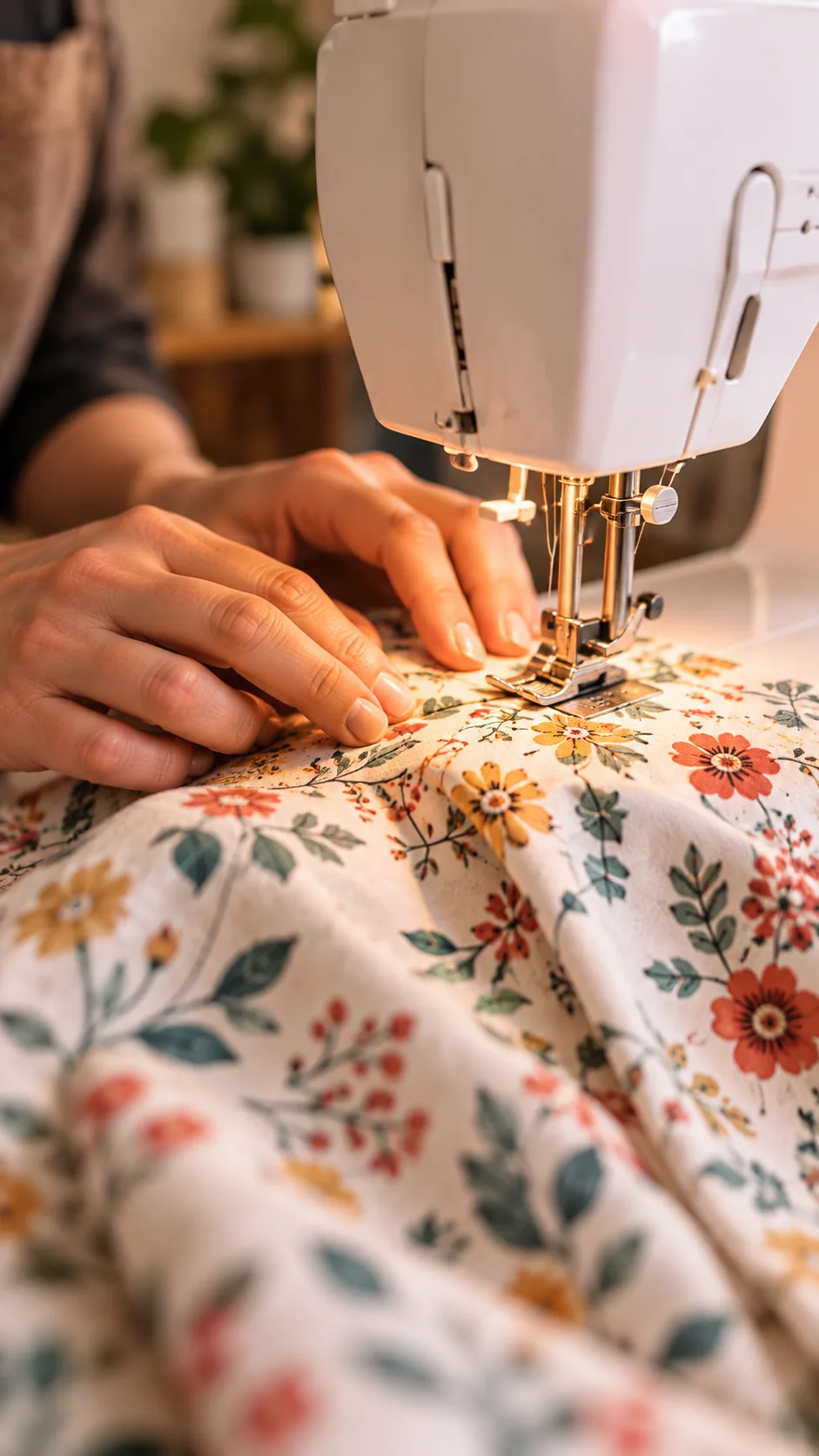
Going to your first sewing class shouldn't require owning an entire craft store. To avoid unnecessary delays, stick to the specific supply list provided by your instructor. Before you buy anything, you should confirm a few logistical details that aren't always in the brochure: check if your fabric needs prewashing, whether you should cut your pattern pieces at home, and if you will be using a machine provided by the studio or your own.
One week before: confirm the class brief
You need to know exactly what the instructor expects from you. Ask about the specific project name, the necessary skill level, and if there is any homework. A "beginner" class might start with how to turn the machine on, or it might assume you already have a commercial pattern ready to go. It is also worth verifying the session length, the location, the age range, and the studio's policy on missed classes or cancellations.
If the project involves a pattern, make sure you have the right company, number, and specific view. You should select your size based on actual body measurements rather than standard clothing labels. Ask the instructor if you should arrive with the pattern already cut, traced, or left uncut. For fabric, confirm the exact yardage, width, fiber content, and stretch percentage required. Avoid swapping a knit for a denim or a slippery fabric just because the color matches; always get approval for substitutions first.
Prepare fabric only as instructed
Fabric preparation depends entirely on the project. Some garments need to be washed and dried exactly how you will eventually care for the finished item to prevent shrinking later. Other workshops provide the fabric themselves or use materials that shouldn't be pretreated. Follow the instructor's specific directions, then press the fabric if they ask you to, and label any cut pieces clearly.
Keep your small notions in a clear pouch. This should include matching thread, the specific type of spare machine needles requested, bobbins, pins or clips, a measuring tape, a seam ripper, and a marking tool. Only bring your own fabric scissors if the instructor asks for them, and keep them away from your paper scissors. Don't go out and buy specialized rulers, cutters, or sewing feet until the instructor confirms they are necessary for the class.
If you bring a machine, bring the whole working setup
If you are using your own machine, test it on some scrap fabric before you head out. You need to pack your power cable, the foot pedal, your standard presser foot, the manual, compatible bobbins, the bobbin case (if it's removable), and any specific feet the instructor named. A single missing cord or the wrong bobbin can waste a large chunk of your lesson time.
Transport your machine in a sturdy case and plan your travel carefully. Navigating Richmond to Vancouver with a sewing machine is a much bigger task than walking in with a small kit. Ask the studio about stairs, unloading, and whether they have secure storage. If the logistics seem difficult, ask if you can reserve a machine at the studio instead.
Pack for concentration
You'll want a notebook or a phone to jot down machine settings or specific corrections. If the class is long, a water bottle and a small snack (where allowed) are good ideas. Wear clothes that allow you to sit and move easily, and make sure loose jewelry or baggy sleeves won't get caught in moving machine parts. Don't forget items you rely on for precision, like hearing devices, glasses, or task lighting.
Try to arrive early enough to get settled without feeling rushed. Keep your fabric, notions, and pattern pieces organized together, and put your name on any tools that look like everyone else's. While the class is running, take note of the specific stitch length, seam allowance, needle type, and pressing steps used to get good results. Writing down those technical details is much more effective than trying to memorize a whole demonstration.
Compare current local class formats
In Port Coquitlam, Mae Design Studio (Mae Studio) offers various options including pattern drafting, project classes, and sewing courses. If you are in Richmond, Winnie Sewing Studio indicates that machines, tools, and basic materials are generally provided for adult classes, though you should always confirm this for your specific session. In Vancouver, La Movida Sewing & Design Studio provides equipped introductory workshops as well as more advanced courses where the fabric requirements might change.
In South Surrey, Sew Me Studio provides several different lesson formats. They specifically ask students in group settings to arrange for a studio machine in advance if they aren't bringing their own. This is a perfect example of a detail you should settle before the day of your class.
Before you leave home
Do one last sweep: confirm the time and address, grab your contact number, and ensure you have your machine, cables, approved fabric, pattern, notions, notebook, and water. Taking a photo of your packed list can be a helpful way to verify everything is there. Your goal isn't to be ready for every possible sewing mishap, but to arrive fully prepared for the specific lesson you booked.