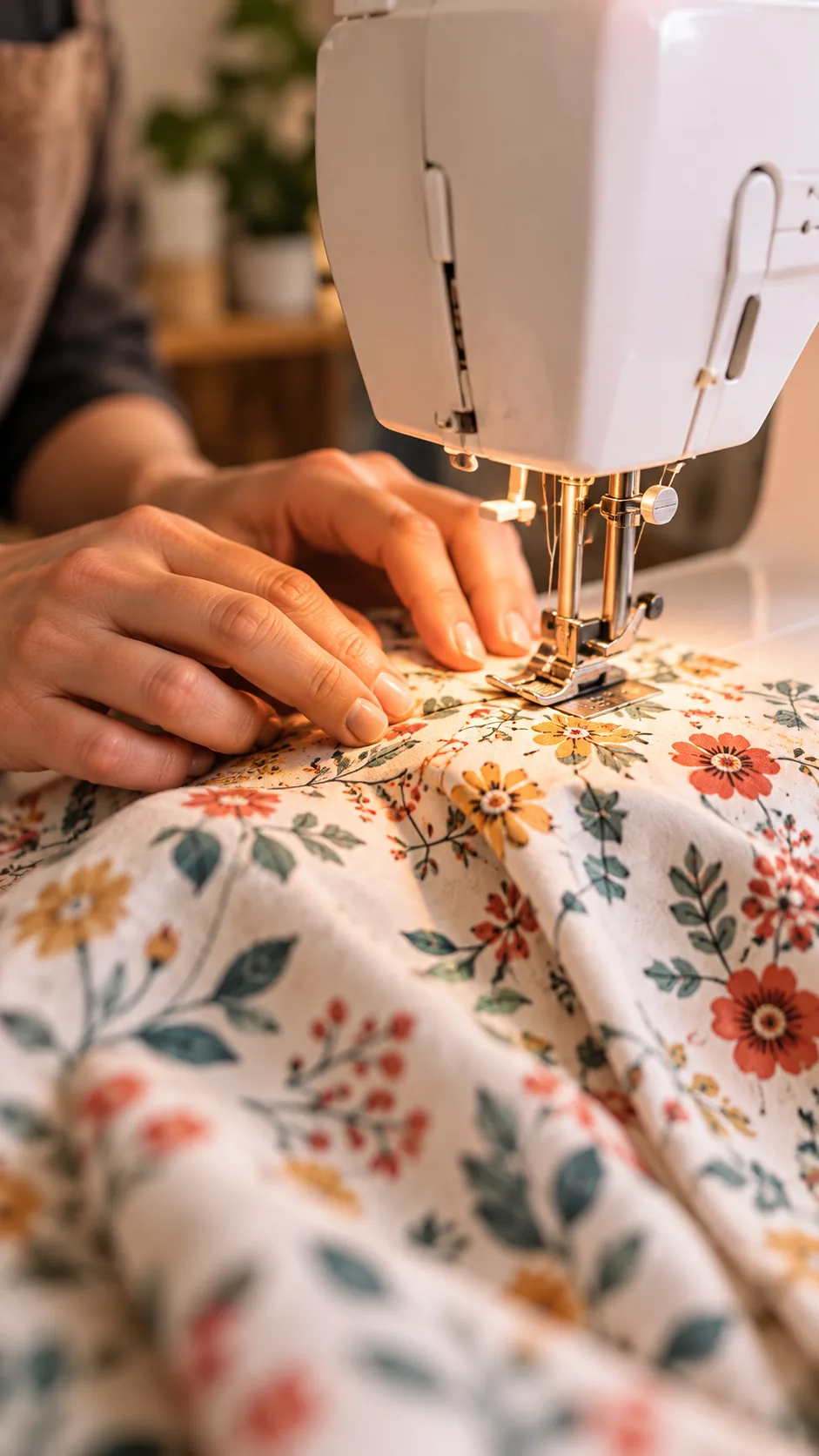
An accessible sewing class is about the match between the learner, the room, the workstation, and the teaching format. A building entrance might be usable, but the cutting table, foot control, or the pace of instruction might not be. Before traveling to a studio in Port Coquitlam, Surrey, Langley, or Vancouver, describe what you need to do comfortably and ask how the specific class is set up.
Describe the task, not only the diagnosis
Providers can answer more usefully when your question is concrete. Ask whether the route from the entrance to the sewing station is step-free, whether aisles accommodate your mobility device, and whether an accessible washroom is available during class. Regarding the workstation, check table height, chair type, knee clearance, and whether you can remain seated for cutting, pressing, and sewing.
Machine controls deserve their own conversation. A standard foot pedal may not suit someone with limited leg movement, pain, or fatigue. Ask whether another control method is available or whether you may bring compatible equipment. Do not assume a machine can be adapted without the studio confirming the model and setup.
Lighting, sound, and scent can matter too. Ask about task lighting, background music, class size, and the use of irons, steam, or scented products. If you need breaks, a support person, or a quieter explanation of a step, establish that before booking rather than hoping the timetable can flex on the day.
Check what “beginner-friendly” means
Some introductory workshops start with threading and safe machine operation. Others are beginner projects for people who already know those steps. Tell the provider exactly what you can do. It is also reasonable to ask how demonstrations are delivered: from one central table, on a screen, through printed instructions, or at each student’s station.
People process sequences differently. A class may be a better fit if the instructor can provide written steps, repeat a demonstration, allow extra setup time, or divide a project into smaller stages. Private or semi-private instruction can offer more pacing flexibility, but group instruction may provide a social setting and more scheduled repetition. Neither format is universally more accessible.
Reduce the physical load of the class
Carrying a machine through rain or on transit can be the largest barrier. Ask whether the studio supplies a machine, whether it can stay set up between sessions, and which tools are already at the workstation. If you must bring your own, confirm the model, power cable, foot pedal, and required presser feet. A rolling case helps only if the route has workable curbs, doors, and storage.
Cutting and pressing also require space and movement. Ask whether pieces arrive precut, whether a cutting mat can be moved to a lower surface, and whether the iron is shared. If hand strength is limited, ask whether clips may replace pins and whether ergonomic cutters are compatible with the project. These are planning questions, not promises that a provider can offer every adaptation.
Start with providers whose format fits the request
Mae Design Studio (Mae Studio) lists small sewing courses and project-based instruction in Port Coquitlam, which may make it worth asking about individual pacing and the current workstation. Sew Me Studio in South Surrey publishes private, semi-private and group lessons, giving learners several formats to compare. Its official class information also shows why equipment questions matter: expectations vary, and students without a machine are asked to arrange one with the studio.
La Couture Sewing School in Langley describes beginner through advanced instruction and a fully equipped studio. That does not establish physical accessibility, so ask about the exact room and class before relying on the description. For a Vancouver alternative, La Movida Sewing & Design Studio publishes private lessons and access to studio machines, large cutting tables and tools; confirm whether that setup meets your reach, seating, and movement needs.
Get the agreement in practical terms
Before paying, summarize the arrangement in writing: class date and location, entrance route, machine provision, workstation changes, break plan, support-person policy, and required materials. Reconfirm if the class moves rooms or instructors. Accessibility information can change, and a precise exchange gives both learner and provider a fair chance to prepare.