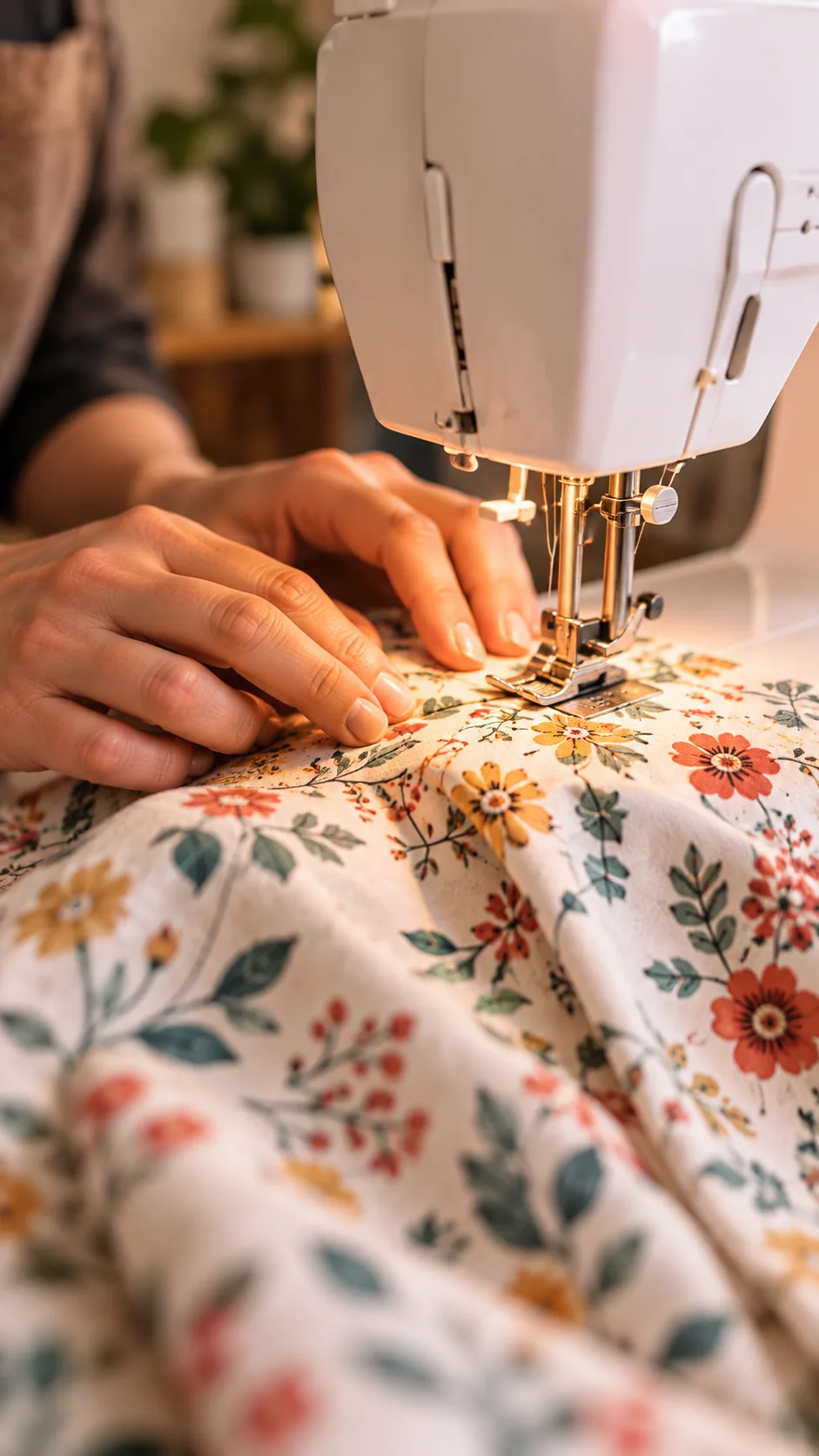
A quilting class might spend more time measuring, cutting, and pressing than actually stitching. That preparation is usually what ensures your blocks actually fit together. Before you make the trip from Mission or Abbotsford to Chilliwack, you should find out if the first session starts with raw fabric, precut pieces, or blocks that are already assembled.
First, identify the quilt stage
Piecing is the process of creating the quilt top. Quilting is the step that joins the top, the batting, and the backing together. Binding is what finishes the edge. A course might cover just one of these stages or several of them, and a "quilting class" title doesn't always tell you which one it is.
Ask for the finished size of the project and what the expected endpoint is. You might walk away with one single sample block, a top that still needs quilting later, or a small completed item. Any of those can be a valid outcome as long as it matches what the instructor described.
Accurate cutting comes before the machine
Beginners will likely learn about ruler placement, rotary-cutter safety, grain direction, and how to read a pattern. Other classes might expect you to have every single piece already cut at home. Follow the instructor’s preparation instructions exactly, because an error in cutting early on can multiply across many different blocks.
Ask if mats and rulers are provided and which specific sizes are required. Avoid buying a generic bundle of tools until you have checked them for compatibility with the pattern.
Machine skills may be a prerequisite
A beginner quilting class might still be intended for people who already know how to thread a machine and sew a straight seam. Confirm whether machine operation is actually taught. You should also ask whether you need to bring your own machine, if you will be using a studio model, or if you will be sharing.
Depending on the stage of the project, you might use a quarter-inch foot, a walking foot, or a free-motion foot. Only pack the accessories that are on the approved list, and bring your machine manual if you are using your own equipment.
Pressing and repetition shape the pace
Quilters often press seams at very specific stages and in specific directions. Expect to spend time moving between your machine and the iron, checking your block measurements, and sometimes unpicking seams that aren't accurate. Repetition is a necessary part of learning how to stay consistent.
Large projects may come with homework. Ask how much work needs to be completed between meetings and what happens if your blocks aren't ready for the next demonstration.
Materials may arrive as a kit or a list
A kit can coordinate your fabric and save you some prep time, but you need to verify if it includes the binding, batting, and backing. If you are buying your own fabric, ask for the specific yardage, the width, and color-value guidance. Also, check if prewashing the fabric is required.
Make sure to record details like thread type, needle size, seam allowance, and pressing instructions during class. Having those details written down makes it possible to continue the work later without having to guess.
Current providers require different checks
Carola's Quilt Shop in Ryder Lake describes hands-on instruction for quilting, sewing, and textile arts. You should ask for the current topic and the required supply list. Castle Sewing (Castle's Sewing Centre) in Langley advertises quilting classes alongside embroidery and sewing.
Chilliwack Cultural Centre offers various fibre-arts and sewing classes. You'll want to confirm that the specific live event you've selected is actually a quilting class; a broad category like "fibre arts" doesn't guarantee a specific technique or project.
Expect progress rather than a full bed quilt
A useful class should leave you with the ability to repeat a specific cut, seam, block, or finishing method. Ask your instructor what you should practice next and which steps require supervised equipment. A carefully made sample block and clear notes can be a much stronger result than a rushed, large project using methods you can't reproduce on your own.
Before you leave the session, photograph the correct orientation of your block and label any pieces that are incomplete. Store your pattern, fabric, and settings together so the next session can start with construction rather than you trying to reconstruct the instructor's sequence.