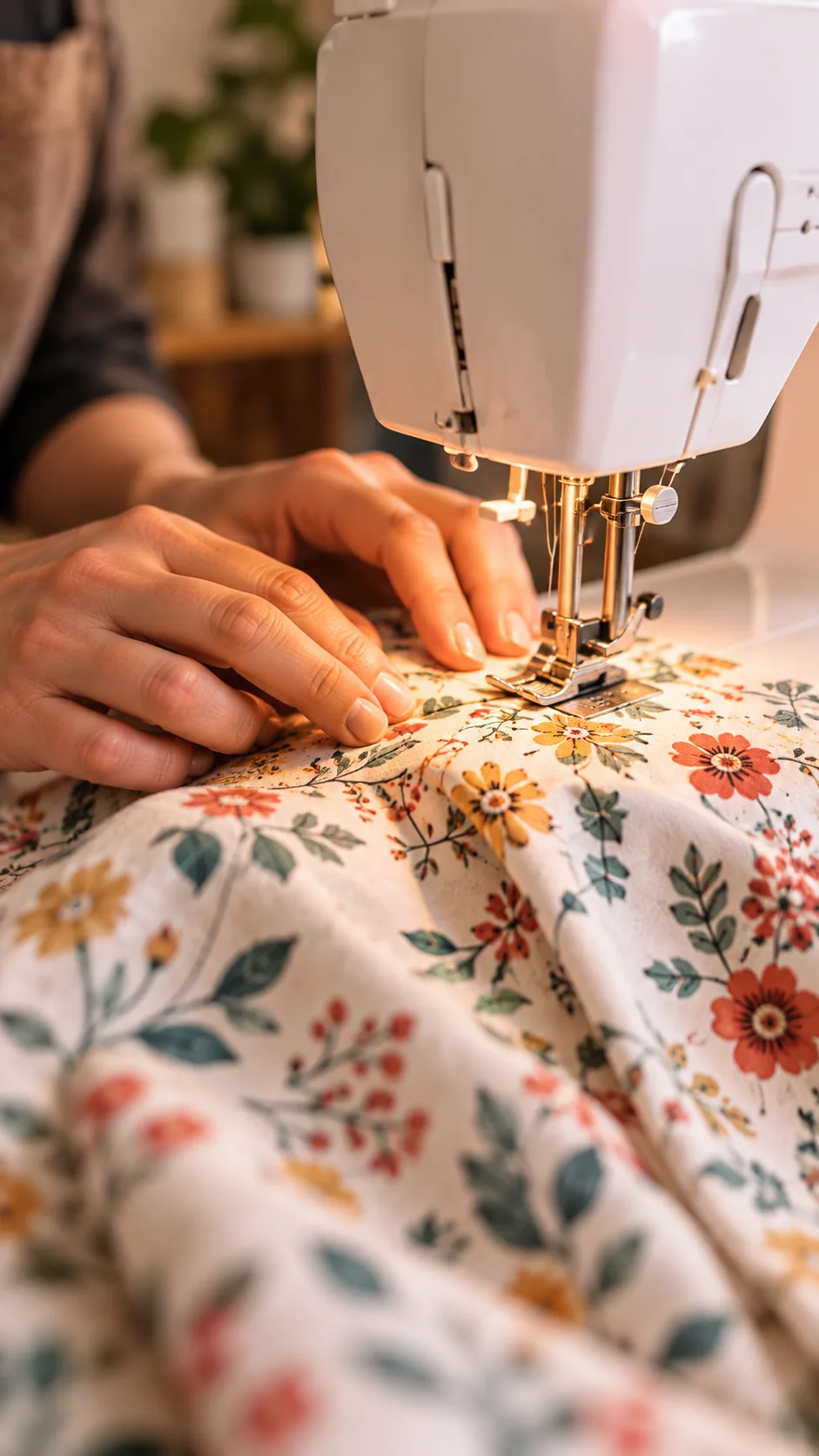
Quilting classes vary a lot depending on whether you are learning patchwork, the actual quilting of the layers, binding, or a specific decorative technique. Because these have different learning goals, you should check which stage a class covers and what you need to have prepared before you show up. This is especially important if you are traveling from Abbotsford or Mission to Chilliwack or Langley.
Foundation classes teach the sequence
A true beginner course usually introduces fabric preparation, rotary cutting, seam allowance, pressing, and block assembly. These classes might still assume you already know how to thread and control a sewing machine, so it is worth asking whether machine basics are taught or if they are a prerequisite.
Foundation courses are useful if you want to understand the logic of why blocks fit together rather than just copying a single design. You should also confirm whether the course goes all the way through to quilting and binding or if it finishes once the quilt top is done.
Project classes organize learning around an object
A project class follows a specific pattern, like a block, a runner, or a small quilt. This gives every lesson a visible destination, but keep in mind that students might be expected to use precut pieces or complete certain preparation steps at home. You should ask which steps you are expected to perform yourself.
A smaller project is more likely to be finished within the allotted time. A larger quilt may continue beyond the actual course and might require separate quilting equipment or professional finishing to complete.
Technique workshops isolate one skill
Workshops often focus on one specific skill, such as appliqué, curves, scrap composition, free-motion quilting, or binding. These sessions are best for learners who already have the surrounding skills. It is a good idea to ask what sample or unfinished piece you should bring and which specific machine foot, ruler, or template is required.
A technique workshop might result in practice pieces rather than a fully finished item. It is better to evaluate these by the repeatability of the method you learned rather than the size of the object you take home.
Open studio is not a beginner lesson
Open sewing time provides space and sometimes a bit of instructor guidance, but it usually expects you to manage your own pattern, machine, and construction order. Ask how much help is actually available and whether there is a required safety orientation.
This format can be valuable if you are working on a bulky project or if you are a quilter who needs large tables. A complete novice will generally get more out of structured instruction.
Hand and machine formats differ
Hand piecing or hand quilting reduces your dependence on a machine, but it requires a different set of tools, a different pace, and different physical movements. Machine piecing and quilting introduce things like machine setup, different feet, throat space, and tension. Confirm which method is being taught and whether the class's machine setup matches the one you own.
Compare current local options
Carola's Quilt Shop in Ryder Lake publishes hands-on classes and describes teaching related to quilting, sewing, and textile art. You should contact the shop to check the current subject and any prerequisites.
Castle Sewing (Castle's Sewing Centre) in Langley lists quilting alongside sewing and embroidery. Ask if the live option is a foundation class, a machine orientation, or a technique workshop.
Chilliwack Cultural Centre has a changing fibre-arts programme that includes sewing. Because this is a broad category, it doesn't specify a current quilting class, so you'll need to verify the specific live project.
Compare like with like
For every option you consider, write down the quilt stage, the prerequisites, the project size, what needs preparation, what tools are supplied, and the expected result. Then, factor in travel time and the number of sessions.
The goal isn't just to compare a workshop to a course; it is to see if the format teaches the exact next skill you need with enough supervised practice. It is also worth asking what comes next. A piecing class is much more useful if the provider can explain how the finished top will eventually be basted, quilted, and bound, even if those later stages require different instruction.