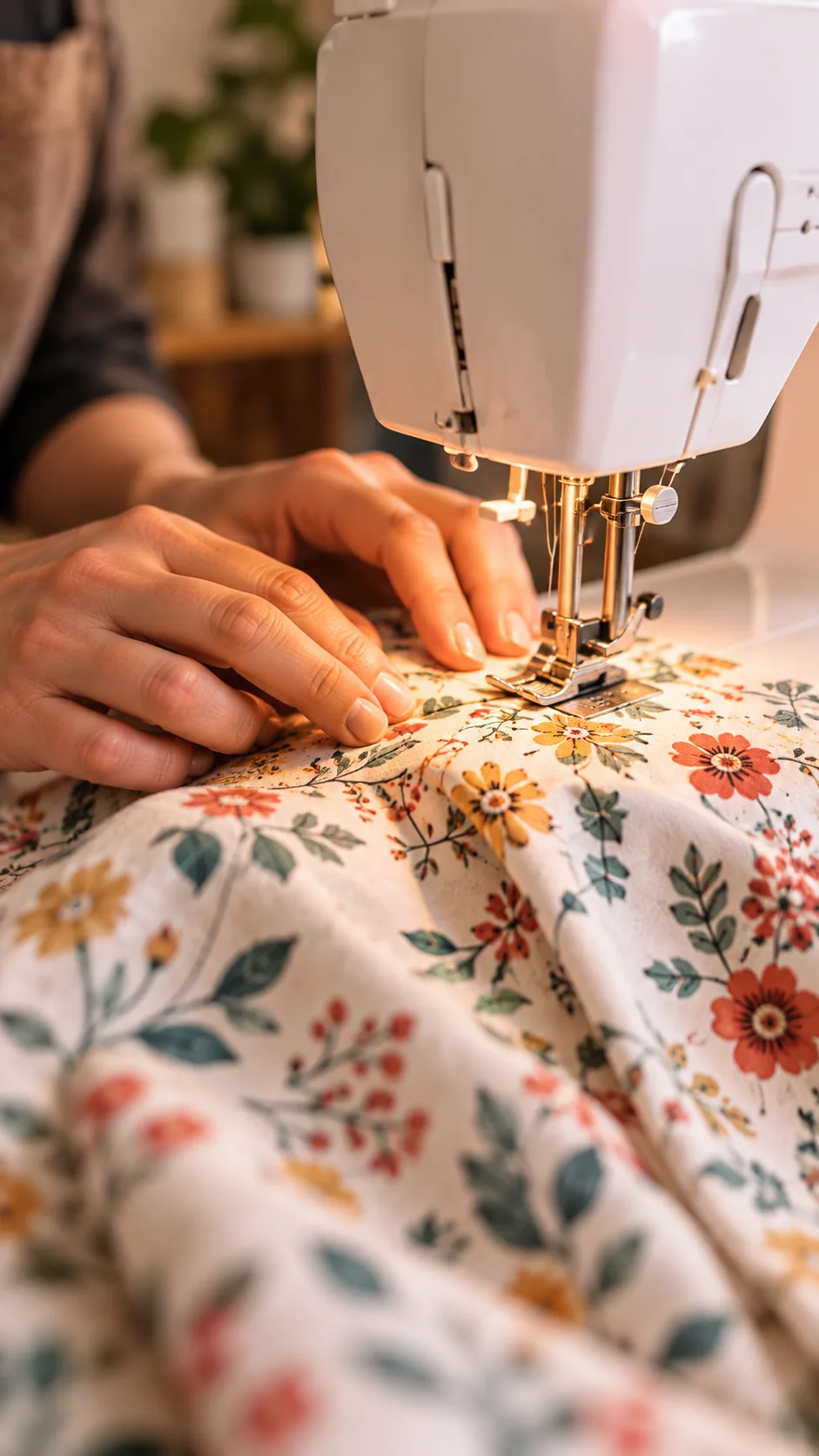
A quilting class requires more preparation than a basic craft workshop. Because fabric, cutting tools, and machine accessories all have to work together, showing up unprepared can stall your progress. The safest way to approach this is to build your checklist directly from the instructor's exact pattern and supply list. Before you travel from Abbotsford or Mission to Chilliwack or Langley, confirm exactly what the class covers and what work needs to be finished before you arrive.
Confirm the project and starting point
You need to know exactly what the session involves. Does it teach piecing, quilting the layers, binding, or a combination of those things? You also need to know the scale of the project: are you making a practice sample, a single block, a small finished item, or just a section of a larger quilt?
Check the prerequisites in terms of actual tasks. Ask yourself if you can thread a machine independently, sew an accurate seam, or if you need to arrive with a completed quilt top.
Request the final dimensions and the specific pattern name or version. If there is homework between meetings, find out how much is required and if the next lesson depends on you finishing it. Multi-session classes move at a set pace; if your fabric isn't cut or your blocks aren't assembled, the rest of the group might move on without you.
Buy fabric from the class requirements
Wait for specific guidance on yardage and color placement from the instructor. A vague description like "a bundle of quilting cotton" isn't helpful if the pattern requires specific light, medium, and dark values or pieces of a minimum size. Ask if precuts are compatible and if the border, backing, and binding fabric are included in the first class.
Confirm whether you need to prewash your fabric. Quilters use different methods, and some kits or precut collections come with their own specific advice. If you do need to wash it, dry the fabric as directed, press it, and fold it so you don't introduce hard creases. Keep your receipt and do not start cutting until the instructor confirms your measurements, pattern orientation, and seam allowance.
Pack the cutting and marking tools requested
A typical list might include a rotary cutter, acrylic ruler, self-healing mat, fabric scissors, seam ripper, pins or clips, a marking tool, and thread. Just because these are on a list doesn't mean you need all of them for every class. Check your ruler dimensions and your blade condition before you pack up. Always cover the rotary blade when it isn't in use and transport it so the guard cannot open.
Use a small container for your bobbins, needles, and feet to keep them organized. Label your rulers and mats so they don't get mixed up with someone else's in a shared workspace. Bring a notebook to write down block dimensions, stitch length, pressing directions, or any corrections the instructor gives you.
Prepare the machine as a complete unit
If you are bringing your own sewing machine, test it on your project fabric first. Pack the power cable, foot pedal, manual, correct bobbins, a fresh needle, and a standard foot. Only bring a quarter-inch, walking, or free-motion foot if the supply list specifically calls for one. Check if you need an extension table and whether your machine will actually fit on the classroom tables.
Think about the logistics of getting there. Ask about parking, stairs, and unloading. A sewing machine, cutting mat, and ruler are awkward to carry on wet Lower Mainland days, so use protective cases and don't leave your fabric exposed in the car. If you are using a studio machine, make sure to reserve it and ask if you need to bring your own feet or bobbins.
Verify the current class, not just the venue
Carola's Quilt Shop in Ryder Lake provides hands-on instruction and maintains current class listings. They also handle inquiries about teaching groups or guilds at other locations. Confirm that the active class is actually suitable for a first-timer and check if you need an appointment for a shop visit.
Castle Sewing (Castle's Sewing Centre) in Langley offers quilting alongside sewing and embroidery. Instead of relying on a general sewing list, ask them for the specific project sheet for your class. Chilliwack Cultural Centre has a rotating program of fibre arts and sewing; verify that the date you've picked is specifically for quilting and check their specific rules regarding age, supplies, and prerequisites.
Do a final table check
The night before, lay out every required item on one surface: pattern, fabric, machine and cables, named feet, cutting tools, notions, notebook, glasses, and water. Compare this pile line by line with the message from your instructor. Add the address, start time, and contact number to your phone. A targeted, project-specific check is much more effective than arriving with a heavy bag of tools you won't actually use.