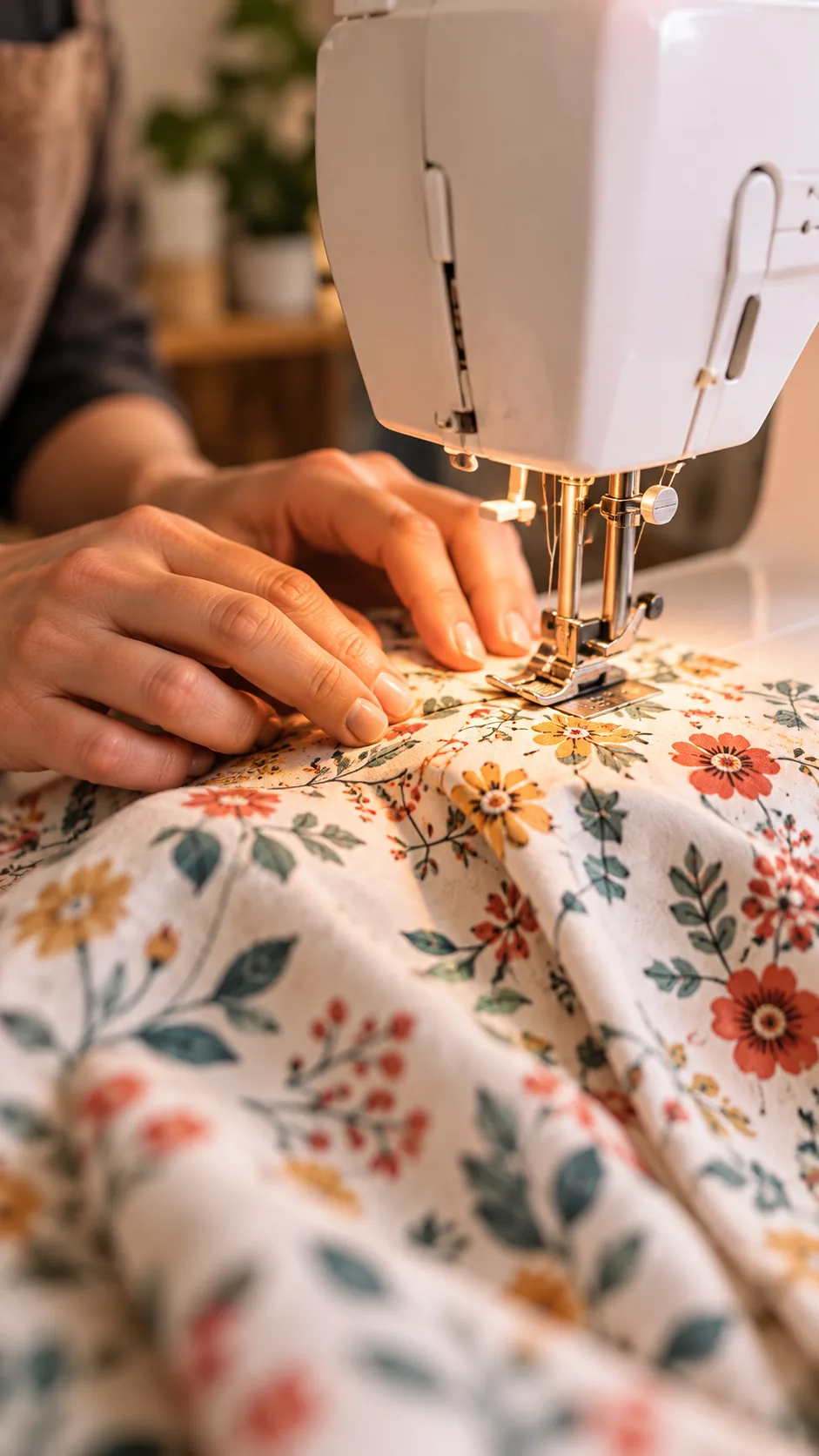
Quilting involves several different work zones: a sewing machine, a large cutting surface, an iron, and sometimes a design wall. Because of this, accessibility is about more than just the entrance. Before you sign up for a class in Chilliwack or Langley, you should walk through the whole process with the provider. You need to know where you will sit, where you will cut, where you will press, where you will store your materials, and how you will move between demonstrations.
Map the physical workflow
Start by asking if the route from the parking lot or transit is step-free and if the doorways and aisles can accommodate a mobility device. Once you are inside, ask about the actual tables. A machine station needs the right height, enough knee clearance, and a stable chair. Cutting tables can be much higher and might require you to stand or reach for long periods. Check to see if cutting can be done while seated or on a lower surface.
Pressing stations can create lines and movement issues. Ask if the iron is shared, if it can be placed near your station, and if someone can help you move larger pieces of fabric. If the class uses a design wall, check the reach required and whether you could arrange blocks on a portable board or table instead.
Discuss machine control and hand use
A standard foot pedal might not work for every learner. You can ask if the studio has other control options, but keep in mind that an adaptation might not be compatible with every machine. If you plan to bring your own equipment, give the provider your specific model and explain how much space it needs.
Rotary cutting requires grip, downward pressure, and controlled movement. If that is a barrier for you, ask if pieces can be precut, if a different type of cutter is okay, or if a support person can help. Using clips instead of pins can sometimes be easier, and larger rulers or high-contrast markings might help with visibility, but any substitutions should work with the pattern and the instructor's specific method.
Choose a pace that leaves room to learn
A one-day project can be exhausting because cutting, piecing, and pressing are all squeezed into one window. A multi-session series spreads the work out, though that might mean you have to travel more often. Ask how long the demonstrations last, if there are scheduled breaks, and how much work is actually done between sessions.
For those needing cognitive, sensory, or communication access, ask about written instructions, sample blocks, close-up demos, and whether you have permission to photograph steps as you go. Class size and background noise can be just as important as how hard the project is. A truly beginner-friendly class should clearly state its assumptions and offer a way to ask questions without falling behind.
Reduce the transport burden
If you are coming from Abbotsford or Mission, a quilting setup can be heavy: a machine, cutting mat, ruler, fabric, and a project box. Ask if a machine can be supplied by the shop or left there securely between sessions. Confirm which tools are communal and if there is a convenient way to unload. Make sure to protect your fabric and electronics from rain, and don't rely on a vague promise of storage without confirming it first.
If fatigue or pain fluctuates, ask what the policy is if you miss a session or cannot finish your homework. A class using a smaller sample or modular blocks might be easier to jump back into than a class where every meeting depends on a finished stage.
Ask local providers about the exact room and class
Carola's Quilt Shop in Ryder Lake offers hands-on teaching for quilting, sewing, and textile arts, and they invite inquiries about classes at another location. Their official info doesn't specify an accessible setup, so ask about the current venue, how to make an appointment, and the workstation before you head out.
Castle Sewing (Castle's Sewing Centre) in Langley lists quilting as one of their class subjects. You should request current class details, since room layouts and equipment can change depending on the event. Chilliwack Cultural Centre has a wide fibre-arts program in a cultural facility; you'll need to verify that a quilting project is actually being offered and that the specific room meets your access needs.
Confirm arrangements before payment
Write down the details you've agreed on: the entrance route, table and chair setup, machine controls, cutting alternatives, the break plan, the policy for support persons, provided equipment, and material prep. Ask who you should contact if the room location changes. The word “accessible” is often too broad to settle these specifics; a short, task-by-task plan makes it easier to evaluate the class and gives the provider a clear set of questions to answer.