"Accessible pottery class" isn't a single, standard format. Having a step-free front door is a start, but it isn't the whole story. You also need to consider the route to the actual work area, the height and stability of the table, how much force it takes to prep the clay, the position of the pedals and wheels, and how much time you have before a piece needs to be put aside. The real question isn't whether a studio is generally accessible. It is whether a particular class, room, and project work for your specific needs.
Begin with the pottery method
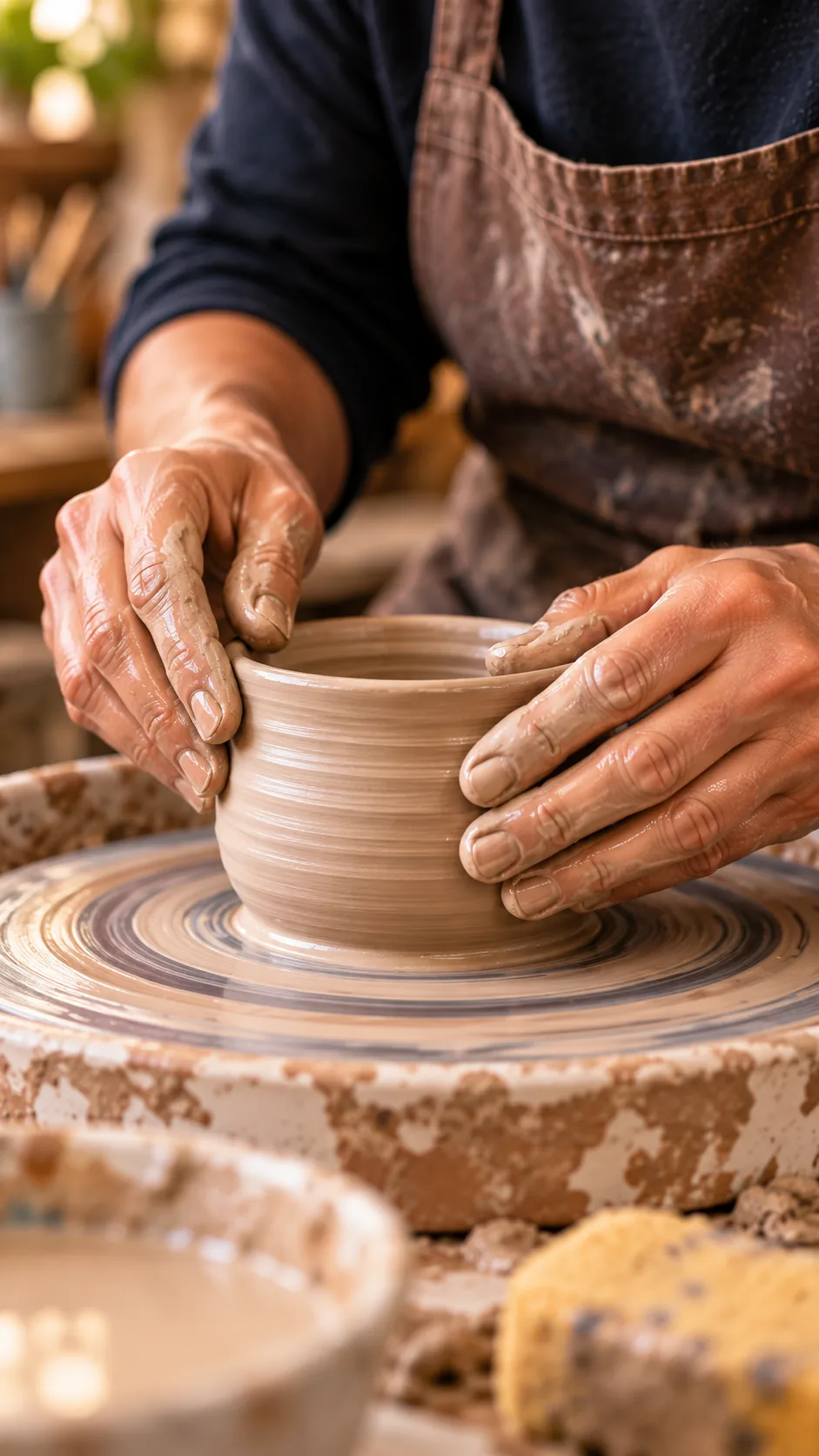
Wheel throwing requires you to coordinate your hands, water, a spinning wheel, and often a foot pedal. Different wheels or pedal arrangements exist, so you should confirm the setup rather than assuming it will work for you. Handbuilding is an alternative that removes the spinning equipment entirely, allowing you to coil, pinch, or assemble slabs at a table. This might offer more opportunities for pauses, though prepping and rolling clay can still require strength and reach.
Pottery painting is another path if you care more about color and surface design than forming raw clay. Since this uses pre-made ceramic pieces, you should compare it separately from handbuilding or wheel classes. If a beginner wheel class looks unsuitable, ask if they can substitute a handbuilt project instead; a "beginner" label doesn't automatically guarantee that choice.
Describe the route, not a diagnosis
When you contact a studio, give them the specific details they can actually act on. Ask if there are steps between the street (or parking area) and the classroom, how wide the walking paths are, and if the accessible washroom is on the same level. If you use a wheelchair or mobility aid, ask for the specific measurements of the knee space and working height at the actual table. For wheel classes, ask for a photo or the exact dimensions of the station and explain how you need to transfer to the seat or if you will remain seated.
Studios are sensory environments too. They involve conversation, music, fans, kiln noise, bright task lighting, wet textures, and shared cleanup areas. If you need a quieter spot, written instructions, extra time, gloves for cleanup, or permission to step out, raise those needs before you pay. It is also worth asking how large the groups are and if the instructor can demonstrate steps individually.
Compare real local formats
Dodream Ceramic Studio in New Westminster offers a variety of options, including one-day beginner experiences, longer wheel learning, drop-in making or painting, and group events. This range helps you decide if you need a quick trial or a long-term commitment, but you must confirm the specific room and equipment for the class you book.
Clayground Ceramics Studio in South Surrey provides both handbuilding and wheel formats, from introductory workshops to long-term classes. Ask if the handbuilding and wheel areas have the same accessibility and furniture; being able to access one part of a studio doesn't mean the whole studio is accessible.
Stablehands Pottery is an option in Abbotsford for wheel instruction. Their site indicates they are not currently offering handbuilding classes. You should check their specific setup and location directly, especially if you rely on transit, a specific drop-off point, or a support person.
Plan for assistance without losing the lesson
If you bring a support person, find out if they need their own paid spot and if they are allowed to assist you without being treated as a student. Ask the instructor which parts of the process can be adapted. Things like pre-wedged clay, smaller projects, a turntable for table work, lighter tools, or extra drying time can help, but availability varies by studio.
You should also discuss cleanup. Ask if the sink is reachable from your position and if staff can help move a heavy or wet piece. If you have skin sensitivity, respiratory concerns, or allergies, ask what types of clay, glazes, and cleaning products the studio uses.
Include firing and collection in the access plan
Ask who handles these later steps, how you will be notified when things are ready, and where exactly you pick them up. Check if someone else can collect the pieces for you and what ID they will need. A class that works physically but has an inaccessible pickup window is still an incomplete plan.
Before you book, send your requirements in a single message and ask for specific answers regarding the class you want. Keep that reply for your records. Try a single session first to test an unfamiliar setup, then consider a longer course once you know the physical route, the teaching pace, and the return-visit logistics all work for you. You can use the pottery listings and area pages to start narrowing down your search.